Wednesday, 27 May 2015

Day 24: has having a blog helped or hurt your recovery? Why?

Having my own blog has helped me enormously in my recovery for many different reasons. Through writing out my thoughts and experiences on my blog, I have neen able to express all of the things I have had to bottle up for years and I have been able to meet many amazing people through my blog (you know who you are). Since starting my blog I also feel so much more motivated about recovery then I ever have before and have finallystarted to believe in myself. 

Before I started my blog, besides doing a little journaling I found I had no choice but to bottle up everything that was going on in my head. This meant that I was always incredibely anxious and also very emotional And confused. It wasnt until I started writing out all my thoughts that I have actually been able to understand them. I feel as though this deeper understanding has allowed me to accept my illness and also fight it more effectively.

Having my own blog has allowed me to talk to many other people who understand exactely what I am going through. I know that I wouldnt have begun talking to most of these amazing people if it wasnt for my blog and they therefore would not have been able to help me to recover in all of the ways that they have. For the first time since developing anorexia, I no longer feel as though I am trying to fight it alone and I feel incredibely lucky to have such a wonderful group of friends by my side while I recover.


I am so thankful to all of the people who have read and commented on my blog. Having all of these people believing in me has taught me to believe in myself which is something I have never been able to do before. As I have mentioned in many posts in the past, I believe recovery is not possible unless you believe in yourself. You need to believe that you are strong enough to fight your anorexia and win, otherwise you wont be able to do it.  


I feel so much more motivated to recover then I ever have before and I honestly feel as though this is mainly due to my blog. While I do want to recover for myself too, I also want to recover so that I can help all of the people who read my blog, by showing them that recovery is possible. Everytime I am struggling with my anorexic thoughts, one of the things I tell myself to convince myself to do the right thing is that I need to be strong, so that I can set a good example for those who read my blog. Every time I am faced with an opportunity to fight my anorexia I make sure I do exactly what I would tell one of my readers to do in that same position. This is because I do not believe that people should give advice to others that they are not willing or able to follow themselves. 

While many things have contributed to my recovery so far, I feel as though my blog is the glue that is currently holding my recovery together. My blog is the one thing that stops everything falling apart, even when things get really tough. I have not found having a blog has hurt my recovery at all and I would reccommend it to anyone who is trying to recover from anorexia or any other Eating disorder.


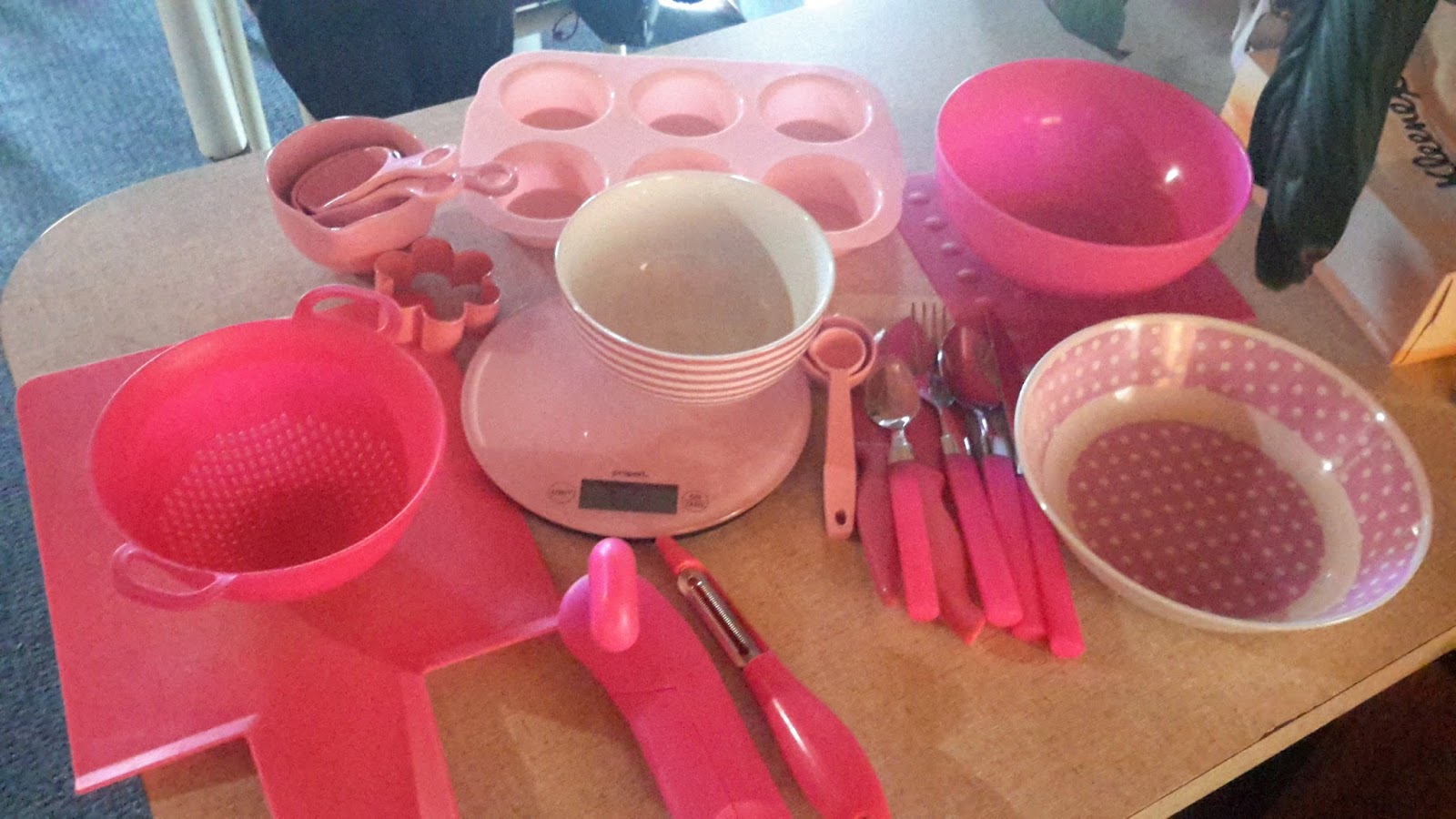
can you tell I love Pink? ;)


A typical week

Good Morning everyone!


I just realised I havent done a update for a couple of days about what I have actually been up to so I apologize for that. The truth is I havent really been going anything interesting or out of the ordinary, but I have still been really busy. For the last two days I have been working at the bank which is actually in another small seaside town, a 35 minute drive from where I live. I seem to follow the same routines each day I work, as this is the best way to ensure I get everything done I need or want to do.

5:30- have breakfast while watchig an episode of greys anatomy
6:15- spend an hour or so reading blogs or writing Posts for my blog
7:15- get dressed, brush my teeth, do my hair
7:30- take Tess for a walk
7:45- get back home, make my lunch and pack my lunch box
8:00- put on my make up (only tinted moisturizer and mascara )
8:15- do any jobs around the house that need doing (wash up or dry up, hang washing out on line, tidy up, feed Tess)
8:40- eat my morning tea
8:50- leave home and head to work
12:00- stop working for a 30 minute lunch break (if its nice I walk to the park and sit in the sun to eat my lunch)
3:00- stop working and have my afternnon tea
4:45- leave work and start driving home
5:20- take Tess for a quick walk before tea and get anything from the shop I need
5:45- cook tea
6:15- Eat my tea while watching telly (I like watching family feud)
6:45- go for a shower
7:00- wash up and bring Tess inside
7:30- get myself dessert and sit down in front on the telly to relax/blog
8:30- make myself a hot chocolate and do some more blogging if im not too tired
10:00- go to sleep


Today I am working at the IGA in my home town so even though the day is a bit longer, atleast I dont have to travel. Today I start work at 8:30 and work until 5:45 tonight With a 45 minute lunch break at 12:00. Tomorrow I have the day off so it will be really nice to relax for the day.

Fortunately I am still feeling positive and motivated about my recovery and am happy that I am still gaining weight. This morning I weighed myself (Wednesday and Sunday are my weigh days) and I have gained another 300 grams in the last 3 days Which is really good. I would love to be able to continue gaining on what I am currently eating but I realise that I will need to increase my intake again if I stop gaining weight.

I hope that everyone is having a fantastic week. :)


Tuesday, 26 May 2015

Collecting TV series

We all have our weaknesses when it comes to buying things we want but dont necessarily need. Some people buy things like shoes, clothes, books or handbags but my weakness is buying different television series on dvd. The tv series that I have collected over the years include the following;

Mcleods Daughters

Kath and Kim


Criminal minds

Lost


Heart of Dixie


Greys anatomy


Smallville

Prison break

Man vs food

Dance moms

Love child

Glee

Ghost whisperer

I know it seems like I must watch an awful lot of tv but I hardly ever watch live tv as I am not interested in many of the current series that are running. I have found that always having something I like to watch has been helpful in my recovery as I need to rest as much as possible and this means I always have something to do. Does anyone have a suggestion about which television series I should collect and watch next? What is your favourite series to watch?

Day 23: how would you deal if you future child has your disorder, what would you say to them?

I have actually already thought about this question a lot. At one stage I had actually decided I didnt want to have children because I was so terrified that they would have my personality and develop anorexia too. But then I realised, even if my child did have my perfectionist personality and suffer from anxiety, this does not mean they would necessarily get anorexia.

While anorexia is biological, it is also environmentally caused. Therefore the fear of passing my genes onto a child is not a very good reason not to have children, especially considering it is something I really want to do. After going through anorexia myself and seeing how truly painful it is, I honestly dont know if I could bare to see someone else I love, like my own child go through it too.

I would hope that through closely monitoring my child as they grew up I would be able to tackle any body image issues or insecurities they may have before an eating disorder was to develop. If my child did develop an eating disorder however, I would try my best to help them by saying or doing the following things;

-I would remind them of how beautiful they already were and that and that changing their appearance would not solve any of their problems.

-I would tell my child how much I believe in them and try to get them to believe in themselves as this is the key to recovering.

-I would not hide the fact I had also suffered from an eating disorder myself. I would tell them what I had been through so that they can see that recovery is possible.

-I would let them know that I understood what they were going through and that I didn't blame them at all for developing their illness.

-I would tell them that recovery is incredibely painful but the end result is worth it. I would tell them that they would not truly be able to live life unless they recover.

-I would constantly tell them how much I love them to make sure they understand it is only their illness I dislike, not the rest of them too.

-I would tell them that they needed to use all the strength they had to fight their anorexia and that they should never give up.


As I know alot about how anorexia makes you feel and act, I think I would be able to support my child better then most parents could who had not been through it themselves. I know what to say and what not to say to a person who is suffering from anorexia and could use my own experiences to develop a helpful recovery plan for them.

The following advice sourced here, is a great overview of what to say to someone about their eating disorder.

How to talk to someone about their eating disorder

Be careful to avoid critical or accusatory statements, as this will only make your friend or family member defensive. Instead, focus on the specific behaviors that worry you.
  • Focus on feelings and relationships, not on weight and food. Share your memories of specific times when you felt concerned about the person’s eating behavior. Explain that you think these things may indicate that there could be a problem that needs professional help.
  • Tell them you are concerned about their health, but respect their privacy. Eating disorders are often a cry for help, and the individual will appreciate knowing that you are concerned.
  • Do not comment on how they look. The person is already too aware of their body. Even if you are trying to compliment them, comments about weight or appearance only reinforce their obsession with body image and weight.
  • Make sure you do not convey any fat prejudice, or reinforce their desire to be thin. If they say they feel fat or want to lose weight, don't say "You're not fat." Instead, suggest they explore their fears about being fat, and what they think they can achieve by being thin.
  • Avoid power struggles about eating. Do not demand that they change. Do not criticize their eating habits. People with eating disorders are trying to be in control. They don't feel in control of their life. Trying to trick or force them to eat can make things worse.
    Avoid placing shame, blame, or guilt on the person regarding their actions or attitudes. Do not use accusatory “you” statements like, “You just need to eat.” Or, “You are acting irresponsibly.” Instead, use “I” statements. For example: “I’m concerned about you because you refuse to eat breakfast or lunch.” Or, “It makes me afraid to hear you vomiting.”
  • Avoid giving simple solutions. For example, "If you'd just stop, then everything would be fine!"
Adapted from: National Eating Disorder Information Center and National Eating Disorders Association

The importance of positive Body image

The four aspects of body image

  1. How you see your body is your perceptual body image. This is not always a correct representation of how you actually look. For example, a person may perceive themselves as overweight when they are actually underweight.
  2. The way you feel about your body is your affective body image. This relates to the amount of satisfaction or dissatisfaction you feel about your shape, weight and individual body parts.
  3. The way you think about your body is your cognitive body image. This can lead to preoccupation with body shape and weight. For example, some people believe they will feel better about themselves if they are thinner or more muscular.
  4. Behaviours in which you engage as a result of your body image encompass your behavioural body image. When a person is dissatisfied with the way they look, they may isolate themselves because they feel bad about their appearance or employ destructive behaviours (e.g. excessive exercising, disordered eating) as a means to change appearance.


Why is positive body image important?

Positive body image occurs when a person is able to accept, appreciate and respect their body. Positive body image is important because it is one of the protective factors which can make a person more resilient to eating disorders. In fact, the most effective eating disorder prevention programs use a health promotion approach, focusing on building self-esteem and positive body image, and a balanced approach to nutrition and physical activity. A positive body image will improve:
  • Self esteem, which dictates how a person feels about themselves and can infiltrate every aspect of life, and contribute to happiness and wellbeing.
  • Self-acceptance, making a person more likely to feel comfortable and happy with the way they look and less likely to feel impacted by unrealistic images in the media and societal pressures to look a certain way.
  • Healthy outlook and behaviours, as it is easier to lead a balanced lifestyle with healthier attitudes and practices relating to food and exercise when you are in tune with, and respond to the needs of your body.

Snapshot: 7 Tips for Improving Your Body Image.

Click to enlarge image.

What causes body dissatisfaction?

When a person has negative thoughts and feelings about his or her own body, body dissatisfaction can develop. Body dissatisfaction is an internal process but can be influenced by several external factors. For example, family, friends, acquaintances, teachers and the media all have an impact on how a person sees and feels about themselves and their appearance. Individuals in appearance oriented environments or those who receive negative feedback about their appearance are at an increased risk of body dissatisfaction.
One of the most common external contributors to body dissatisfaction is the media. People of all ages are bombarded with images through TV, magazines, internet and advertising. These images often promote unrealistic, unobtainable and highly stylised appearance ideals which have been fabricated by stylists, art teams and digital manipulation and cannot be achieved in real life. Those who feel they don’t measure up in comparison to these images, can experience intense body dissatisfaction which is damaging to their psychological and physical wellbeing.
The following factors make some people more likely to develop a negative body image than others:
  • Age – body image is frequently shaped during late childhood and adolescence but body dissatisfaction can affect people of all ages and is as prevalent in midlife as young adulthood in women
  • Gender - adolescent girls are more prone to body dissatisfaction than adolescent boys; however the rate of body dissatisfaction in males is rapidly approaching that of females
  • Low self-esteem and/or depression
  • Personality traits - people with perfectionist tendencies, high achievers, ‘black and white’ thinkers, those who internalise beauty ideals, and those who often compare themselves to others, are at higher risk of developing body dissatisfaction
  • Teasing - people who are teased about appearance/weight, regardless of actual body type, have an increased risk of developing body dissatisfaction
  • Friends and family who diet and express body image concerns - role models expressing body image concerns and modelling weight loss behaviours, can increase the likelihood of an individual developing body dissatisfaction regardless of actual body type
  • Body size - In our weight conscious society, larger body size increases risk of body dissatisfaction
In western society, body dissatisfaction has become a cultural norm.

Why is body dissatisfaction a serious problem?

Body dissatisfaction is the top ranked issue of concern for young people (Mission Australia, 2011). Body image issues have increased worldwide over the last 30 years and do not only concern young people but affect people of all ages. This pervasive problem is concerning because overvaluing body image in defining ones self-worth is one of the risk factors which makes some people less resilient to eating disorders than others. People experiencing body dissatisfaction can become fixated on trying to change their body shape, which can lead to unhealthy practices with food and exercise. These practices don’t usually achieve the desired outcome (physically or emotionally) and can result in intense feelings of disappointment, shame and guilt and, ultimately, increase the risk of developing an eating disorder.


How can you improve your body image?

While some aspects of your appearance can be changed, others, like your height, muscle composition and bone structure are genetically fixed. It is important to understand that there is no right or wrong when it comes to weight, shape, size and appearance. Challenging beauty ideals and learning to accept your body shape is a crucial step towards positive body image.
While changing your actual appearance can be counterproductive, improving your body image is a constructive goal. We have the power to change the way we see, feel and think about our bodies. Here are some helpful tips:
  • Focusing on your positive qualities, skills and talents can help you accept and appreciate your whole self
  • Say positive things to yourself every day
  • Avoid negative or berating self-talk
  • Focusing on appreciating and respecting what your body can do will help you to feel more positively about it
  • Setting positive, health focused goals rather than weight loss related ones is more beneficial for your overall wellbeing
  • Admiring others’ beauty can improve your own body confidence but it is important to appreciate your own beauty, avoid comparing yourself to others, accept yourself as a whole and remember that everyone is unique and differences are what make us special
  • Remember, many media images are unrealistic and represent a minority of the population
Programs that effectively increase positive body image focus on reducing risk factors (e.g. thin ideal internalization, peer pressure, bullying and ‘fat talk’, perfectionism) and increasing protective factors (e.g. self-esteem, social support, non-competitive physical activity, healthy eating behaviours and attitudes, respect for diversity).

Getting help

If you feel dissatisfied with your body or are developing unhealthy eating or exercise habits seek professional help. Some counsellors and psychologists have specialised knowledge in body image. Professional 
Sourced here.

Monday, 25 May 2015

Thoughts on recovery blogs

After seeing a fair bit of critism about recovery blogs lately (not on my blog, but on other  blogs), I found myself getting quite defensive and upset over what was being said. People have been saying that recovery blogs arent helpful and that the types of things bloggers post completely contradicts the messages their blogs are trying to get accross. It has also been suggested that some bloggers have created a particular 'trend' of living that people want to follow after they recover from eating disorders.

While everyone is entitled to have an opinion, I do not think that anyone can speak on behalf of all the people out there who follow recovery blogs. To me its simple, If you dont agree with what a particular blogger is writing, stop reading that blog. No one is forcing you to read it and voicing your opinion is only going to upset the blogger as well as all of the readers who believe in what the blogger writes. I think the reason these comments upset me so much is because reading recovery blogs has truly changed my life, which is one of the main reasons I started my own blog. I wanted to help others in the ways I have been helped through reading recovery blogs.

I have always been the type of person who stands up for what I believe in and the fact is, I believe recovery blogs have the ability to save lives. While they may not be helpful to everyone, I know that they make the world of difference to others. Before reading recovery blogs, I had never been given any reason to believe that recovering from my illness was possible. I had accepted the fact that I would die with my illness and that I would never know a life without anorexia again. However reading recovery blogs showed me that recovery was in fact possible and that life after recovery was worth all of the pain that is involved in recovering.

I agree that simply reading recovery blogs does not allow a person to recover from an eating disorder. For instance I read a recovery blog every single day for two years but still didn't make any progress as I just wasnt ready to yet. Once I decided that I truly wanted to recover however, I found that I already had all of the knowledge, advice and understanding from reading the recovery blog that I needed in order to recover. I dont think anyone would ever be able to truly understand what having an eating disorder is like, unless they have had one themselves. This is why I believe recovery blogs were able to help me more than anything else ever could, because the person writing the posts had been where I was and truly understood what I was going through.

In my experience, reading recovery blogs has not made me feel pressured to follow a certain lifestyle trend at all. Yes the authors of recovery blogs have inspired me to recover, but not so that I can live their lives, but so that I can live my own life, exactly the way I want to live it. Some of the people with recovery blogs eat very healthily both during and after recovery and that is their choice but what I eat has not been influenced by this at all. Everyday I eat icecream, puddings, chocolate bars and cakes and I don't not eat something I want just because others dont eat it. I also eat lots of fruit and vegetables but not because I feel pressured to do so, but because I love eating them.


I find that seeing what others eat during and after recovery can be helpful as it shows me that it is healthy and ok to nourish your body with the food and energy it deserve. I have also found that seeing recovering anorexics do things like conquer their fear foods incredibely inspirational. It makes me think things like 'if they can do it, so can I'. The reason I share what I eat on my blog is because I believe it is important to show people trying to recover that there is nothing wrong with eating and enjoying a large quantity and variety of food. I also want to show people recovering that eating fear foods and becoming comfortable with them again is really important and acievable.

I found it very upsetting when I saw that bloggers were being judged for posting 'selfies' as I post pictures of myself quite often. I have always been incredibely shy and have always hated to be the centre of attention but I still post photos of myself because I feel as though it is important for my readers to get to know who I am and that it will make people relate to me better. I think that learning to appreciate yourself and love yourself for who you are is essential in order to recover and I feel as though posting pictures and sharing them is a huge part of this.


I was terrified about posting my progress pictures yesterday but I did anyway in the hope that I could show those trying to recover that progress is possible, as is accepting changes in your body as they happen. Everyday people tell me that they are glad they found my blog as it has helped them to find the strength they need to fight their eating disorders. Hearing people say I am making a difference to their recoveries means the world to me and only reinforces the way I feel about recovery blogs, that they are a truly wonderful recovery resource.